Have U ever finished a micro bead install and then seen strands sliding out on day three? Did U start thinking the hair was “bad,” even though the install looked fine?
Micro bead hair extensions fall out when the bead cannot keep stable grip on both the natural hair and the extension tip. The most common causes are wrong section size, wrong bead size or type, weak clamping pressure, oily or coated roots, and delayed maintenance that leads to tangling and pulling.

This article is written for salon owners, stylists, and buyers who want fewer complaints and better retention. I do not install on clients. I focus on the method logic and the product-side controls that prevent early fallout.
What are micro bead hair extensions?
Do U hear “micro bead,” “micro ring,” “micro link,” and feel like they mean different services? Most of the time, they describe the same attachment idea.
Micro bead hair extensions are strand extensions attached using a small bead or ring that is pressed closed around a small section of natural hair and the extension tip. The hold comes from controlled compression. The method does not rely on glue and does not need heat.
Dive deeper
Micro bead systems are simple in shape, but sensitive in execution. A bead holds hair by friction and pressure. That means the bead must match the hair and the strand, and the closure must be clean.
I break the system into five pieces that decide stability:
1) Bead size
A bead has a fixed inner space. If the natural hair section is too thick, the bead cannot compress evenly. If the section is too thin, the bead can pinch and still not hold well because the hair is not filling the bead correctly. Both situations can cause slipping.
2) Bead type
Some beads are silicone-lined. The lining increases grip and can reduce slipping on silky hair or slightly oily roots. Some beads are unlined metal. These can be smaller and feel lighter, but they can slip more on certain hair types.
3) Strand tip match
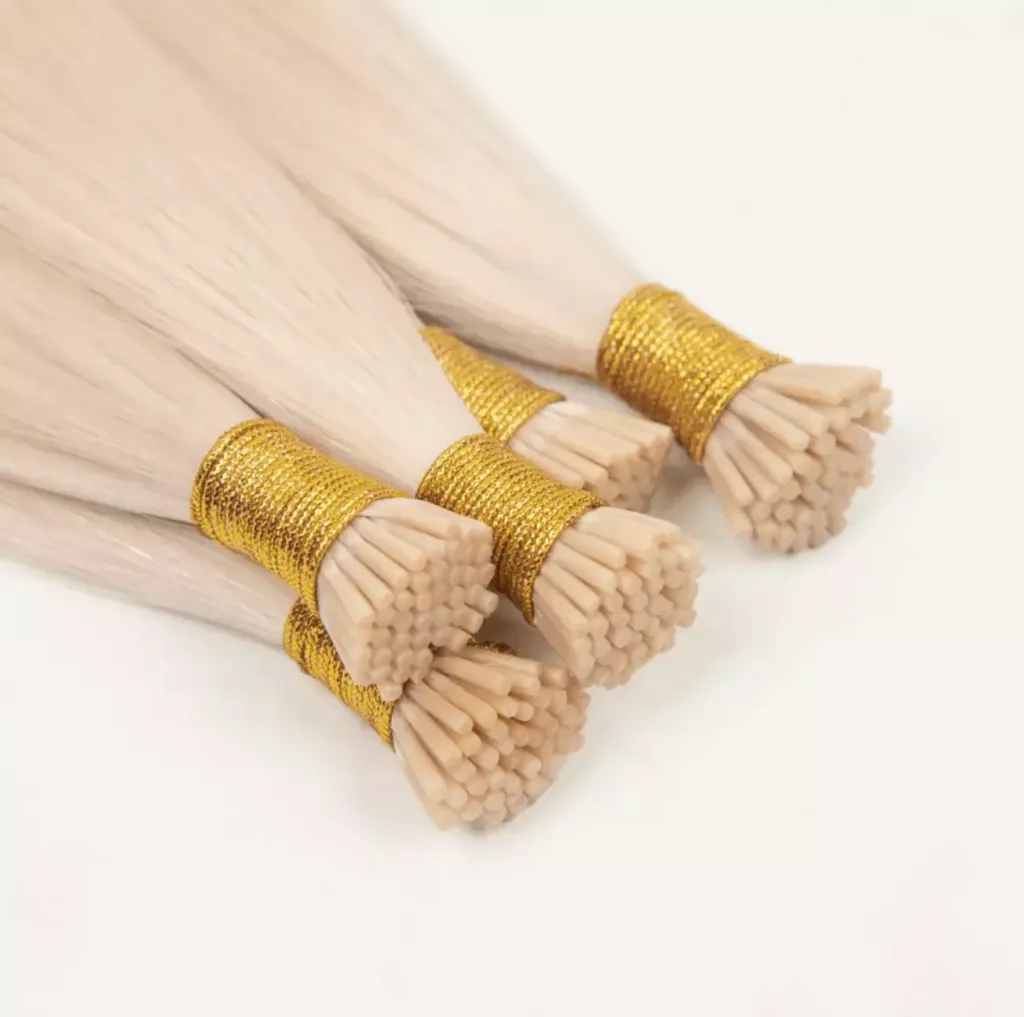
Micro beads are often used with I tip hair. If the tip is too thin, the bead has less material to grip. If the tip is too thick, the bead closure becomes uneven, and the bond can feel bulky and stressed.
4) Clamp pressure and shape
A bead should be closed firmly, but not crushed into sharp edges. Over-crushing can create pressure points and can damage hair. Under-closing leads to quick fallout.
5) Root condition and routine
Oils, conditioners, and heavy masks near the scalp can coat hair. Coated hair reduces friction. Reduced friction reduces grip.
If U treat micro beads like “one bead fits all,” fallout appears. If U treat them like a matched system, the results become predictable.
| Part of the system | What it controls | What failure looks like | Best control |
|---|---|---|---|
| Bead size | how well hair fills the bead | sliding or pinching | match bead to section and tip |
| Bead type | grip level | slipping on silky roots | lined beads when needed |
| Tip size | fit inside bead | loose grip or bulky bond | consistent tip spec |
| Clamp pressure | lock strength | early fallout | firm close, no crushing |
| Root condition | friction | sliding after washing | clean, low-residue roots |
Why are my micro bead hair extensions falling out?
Did the beads fall out with the strand still attached, or did the hair shed from the bead? The difference tells U the real cause.
Micro bead extensions fall out mainly because the bead loses grip or because the bond gets pulled by tangling and stress. The most common triggers are section sizing errors, wrong bead choice, poor clamping, oily or product-coated roots, and maintenance gaps.
Dive deeper
I use a “cause by symptom” approach. It is faster than guessing.
Symptom A: the bead slides down the hair
This usually means the bead never had enough friction. The top reasons are:
- section is too thick, so the bead closes unevenly
- section is too smooth and coated, so friction is low
- bead size is too large for the hair and tip
- bead is unlined when the hair needs more grip
- clamp pressure is weak or the bead was closed at a poor angle
Symptom B: the bead opens and falls off
This points to closure and tool control:
- bead was not fully closed
- bead was over-crushed and then bent back open
- tool jaws are worn and do not close evenly
- bead material is too soft, so it deforms
Symptom C: the strand tip slips out but the bead stays
This is often a tip mismatch:
- the tip is too thin for the bead size
- the tip surface is too smooth
- the bead is lined poorly or lining is damaged
- the bead closure shape is wrong, so it does not lock the tip
Symptom D: the client loses natural hair with the bead
This is more serious. It usually points to stress and pulling:
- sections are too small for strand weight
- the client waited too long and roots matted
- brushing was aggressive near the bonds
- bonds were placed in weak zones like fragile edges
To reduce fallout complaints, the salon needs a repeatable standard. I suggest a simple SOP: one bead size chart, one section size chart, and one clamping pressure rule. For wholesalers, I suggest matching bead packs to strand tip specs, not selling them as random accessories.
| What U see | Likely root cause | Fast check | Fix direction |
|---|---|---|---|
| Bead sliding down | low friction or wrong sizing | check root residue and section thickness | clean roots, resize sections, consider lined beads |
| Bead opening | incomplete closure or weak bead | check bead shape after clamp | tool and closure training, better beads |
| Tip pulling out | tip mismatch | compare tip thickness to bead inner space | match tip spec and bead size |
| Breakage near bond | too much tension or late maintenance | check strand weight vs section size | rebalance load and move-up earlier |
What to do when micro bead hair extensions are falling out?
Did U try to “clamp harder” as a first response? That can sometimes make the situation worse. The safest fix starts with diagnosis, not force.
When micro bead extensions fall out, the best response is to identify the failure pattern, stop further pulling, then correct sizing, bead choice, and closure method. A controlled reinstallation often solves the problem without blaming the hair.
Dive deeper
I suggest a three-step rescue plan that salons can use right away.
Step 1: isolate the pattern
Collect a few fallen strands and check:
- did the bead slide down and then fall?
- did the bead open?
- did the tip slip out while bead stayed?
- did natural hair break near the bead?
This tells U the category. Without the category, the fix becomes guessing.
Step 2: correct the mechanical match
Most fallout fixes are mechanical:
- adjust section size to match strand weight
- switch bead size if the hair is not filling the bead
- switch to silicone-lined beads if grip is weak
- confirm the tip size is stable and consistent
If U keep the same bead and the same section error, the client will keep losing strands.
Step 3: correct the closure process
Closure is not only “tight.” Closure must be even and smooth:
- use proper pliers that close evenly
- close the bead fully but do not crush it flat
- confirm the bead sits a small distance from the scalp for comfort
- avoid placing beads in fragile areas
Then set a maintenance plan. Many fallout situations get worse because the client delays move-ups. Growth creates more movement, then tangling, then pulling.
If U sell this method as a salon service, I suggest a clear aftercare card. If U sell it wholesale, I suggest including bead spec, lining option, and recommended strand tip compatibility inside the product pack.
| Fix action | What it addresses | When it works best |
|---|---|---|
| Re-check section sizing | tension and grip issues | slipping and breakage complaints |
| Change bead size | fit problem | beads not closing evenly |
| Switch bead type | low friction | silky hair or oily roots |
| Improve closure technique | bead opening | beads falling off intact |
| Set move-up schedule | tangling and pulling | repeat fallout after weeks |
What products and habits make micro beads slip faster?
Do U notice fallout after the client changes shampoo or starts oiling the scalp? That is a common pattern.
Micro beads slip faster when roots are coated with oils, heavy conditioners, scalp serums, or silicone build-up. Excess sweat with poor drying can also increase tangling and pulling, which makes beads fail sooner.
Dive deeper
Grip depends on friction. Many “healthy hair” habits reduce friction near the scalp. That is not a problem for natural hair. It can be a problem for micro bead bonds.
Here are common accelerators of slipping:
Oils at the root
Oils coat the hair inside the bead. Coated hair becomes slippery. A bead bond needs clean hair inside the ring area.
Conditioner too close to the scalp
Conditioner ingredients can leave residue. Residue reduces grip.
Silicone-heavy serums
Silicones can build a film. This film can reduce friction and make beads slide.
Sweat and damp roots
Sweat changes the root environment. If roots stay damp for long periods, tangling increases. Tangling increases pulling. Pulling can loosen beads or pull tips out.
Rough brushing near the bonds
Even when grip is fine, rough brushing can pull at the bond. This is often the hidden cause when salons blame hair quality.
A clear client routine reduces these risks. A salon can say “keep heavy products on mid-lengths and ends.” A brand can put that message on an aftercare insert.
| Habit or product | Why it causes fallout | What to change |
|---|---|---|
| Root oiling | reduces friction | keep oils away from bead area |
| Conditioner near scalp | leaves residue | apply from mid-length down |
| Silicone serums at roots | creates film | use lightly and away from bonds |
| Air-drying roots | increases tangles | dry root zone fully |
| Brushing fast at roots | pulls bonds | slow, controlled detangling |

How to prevent micro bead fallout before it starts?
Do U want fewer remake appointments and fewer refund conversations? Prevention is cheaper than fixing.
Micro bead fallout prevention is built on correct bead selection, consistent section sizing, controlled closure pressure, and a clear maintenance schedule. Hair quality and tip consistency also support longer retention.
Dive deeper
Prevention is mostly standardization. Many salons have talent, but they do not have consistent rules. Rules reduce fallout.
1) Standardize bead size for each hair type
Fine hair often needs smaller beads and lighter strand plans. Thick hair can handle larger sections, but the bead still must close evenly.
2) Match bead type to scalp and hair behavior
If a client has oily roots or very silky hair, silicone-lined beads can add stability. If the client has strong texture and dry roots, unlined beads can work.
3) Use a section sizing guide
I suggest a simple internal rule: each strand has a maximum safe weight per section. If a salon uses heavier strands, the section must be larger. If the salon uses lighter strands, the section can be smaller.
4) Train closure pressure and direction
Beads should be closed fully. Beads should not be crushed flat. Closure should be even so edges are not sharp.
5) Make maintenance part of the service
Move-ups reduce tangling. Tangling reduces pulling. Pulling reduces fallout. This chain is simple, but many clients skip it unless the salon explains it clearly.
From a manufacturer view, I also see that tip consistency matters. Stable, consistent tips reduce “tip slip” complaints. High-quality hair also tangles less, which reduces pulling stress at the bead area.
| Prevention lever | What it controls | What improves when U do it |
|---|---|---|
| Correct bead size | fit and closure | fewer slips |
| Lined bead option | friction and grip | better retention on silky roots |
| Section sizing SOP | tension balance | fewer breakage complaints |
| Controlled closure | bead stability | fewer beads opening |
| Maintenance schedule | tangling control | fewer “falling out after weeks” cases |
My opinion
I think most micro bead fallout is not a “hair problem.” It is a system match problem. When bead size, bead type, section size, and tip size match, the method becomes stable. When one part is off, fallout starts and the client loses trust fast.
I also think education is part of the product. If a client uses oils at the roots and waits too long for maintenance, even a good install will struggle. A short aftercare guide protects the salon and protects the method.

FAQ
Is it normal for a few micro bead strands to fall out?
A small number can happen, especially if section sizing was not perfect in a few bonds. Repeated fallout is not normal and needs diagnosis.
Why do micro beads slip after washing?
Root oils and residue can change friction. Conditioner or masks near the scalp can also reduce grip. Rinsing and root product placement matter.
Are silicone-lined beads better?
They can be better for slippery hair types or oily roots because they add grip. They are not always necessary for every client.
Can I fix slipping beads at home?
Home clamping often causes over-crushing or wrong closure. A professional adjustment is safer.
How often should micro bead extensions be moved up?
Many clients need move-ups every 6 to 10 weeks. Timing depends on growth and hair type.
Does hair quality affect fallout?
Hair quality affects tangling and handling. Less tangling means less pulling at the bonds. Tip consistency also matters for grip.
Conclusion
Micro bead extensions fall out when grip fails or stress pulls the bonds. Correct sizing, correct bead choice, clean roots, and on-time maintenance prevent most fallout.
Hibiscus Hair Manufacturer has been dedicated to producing high-quality hair extensions for 25 years and is a recognized leader in the industry. If you are interested in finding a reliable hair extensions supplier and wholesale for your brand, please visit our website for more information: