Many salon owners and professional stylists hear “microlinks” and “I tips” used almost interchangeably, yet the results in real installations often feel very different. I wrote this article to remove that confusion and help U make clear, confident decisions based on structure, wear logic, and long-term performance. This guide focuses on what actually happens on the head, not marketing language.
Microlinks and I tips are closely related but not the same thing. Microlinks describe a ring-based attachment system, while I tips describe the physical shape of the extension strand. Understanding this difference helps U control maintenance, comfort, and hair longevity more accurately.

If U have ever wondered why two similar-looking installs behave differently after a few weeks, the explanation usually starts here. The sections below break down each concept step by step.
What Microlinks Means?
Microlinks are often spoken about as if they are a single product, but in practice they describe a connection method. I always treat microlinks as a system rather than a specific extension type.
Microlinks refer to hair extensions attached using small rings or beads that clamp natural hair and extension hair together. No glue, no tape, and no heat are involved. The holding force comes purely from pressure and friction.
Definition
The core idea behind microlinks is mechanical attachment. A small section of natural hair is placed inside a ring. The extension strand is added. The ring is then closed to lock both together. Because the hair shaft is not chemically altered, this method works well for clients who want long-term wear and reuse.
However, microlinks demand balance. Ring size, section size, and hair weight must match. When one element is off, slipping, tension, or discomfort appears quickly. This is why microlinks reward skill and discipline.
Main Types
Microlinks include several common subtypes, each designed to manage pressure in a slightly different way.
Standard microlinks use regular-sized rings and work well for medium to thick hair densities. They offer stable grip and predictable maintenance.
I tip hair itself is a kind of microlinks system product.
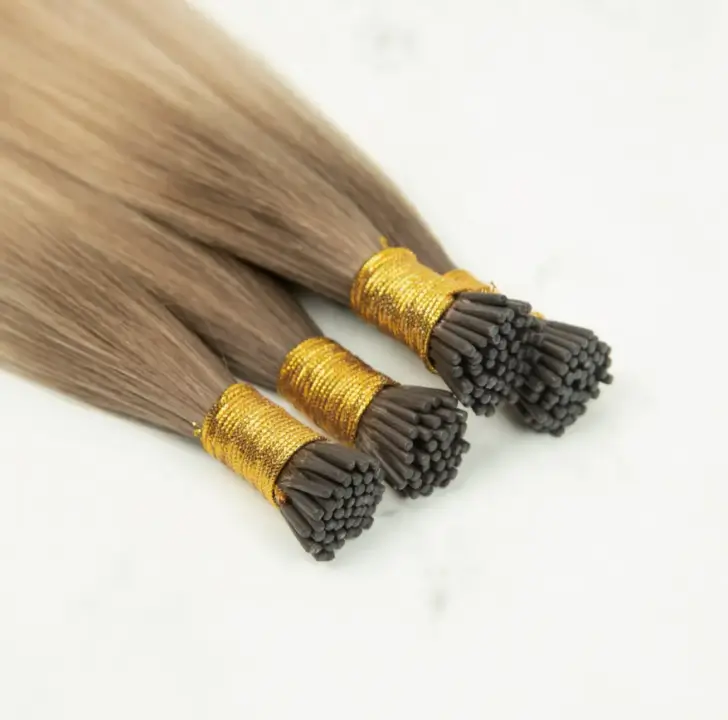
Nano microlinks use much smaller rings. They focus on low visibility and are often chosen for fine hair clients. Precision becomes critical with this option.

F tip microlinks use a flat plastic tip inside the ring. The flat shape spreads pressure across a wider area and improves grip on smooth or slippery hair.

Why Structure Matters
Microlinks are unforgiving when structure is wrong. A heavy strand on a small section creates stress. A large ring on fine hair reduces hold. When structure is correct, microlinks feel secure and natural for weeks.
What Are I Tips?
I tips are often mistaken for a full attachment method, but they are better understood as a strand design. I tips describe the shape of the extension tip, not how it is attached.
I tips are strand extensions with a slim, straight tip that resembles the letter “I.” They are designed to slide easily into rings or beads.

Core Characteristics
The I-shaped tip allows free movement once installed. This gives a natural swing and helps blending, especially in layered cuts. Because the tip is narrow, placement can be very precise.
I tips are commonly installed using microlinks or nano rings. This overlap is why the two terms are often confused.
Where I Tips Perform Best
I tips work well for clients who want:
- Natural movement
- Custom strand placement
- Flexible styling
They are popular in crown areas and around the face where control matters.
Limits of I Tips
Because the tip is narrow, pressure is concentrated. If too much hair weight is added or sectioning is careless, tension builds faster. For fine hair, careful weight control is essential.
Microlinks vs I Tips?
This comparison creates confusion because one term describes a system and the other describes a shape. Still, the difference affects daily wear and long-term results.
Microlinks define how hair is attached. I tips define how the strand behaves once attached.
[Image Placeholder]
Installation Logic
Microlinks focus on ring placement, section balance, and pressure control. I tips focus on strand movement and blending.
When I tips are installed using microlinks, both concepts work together. Problems start when they are treated as identical.
Maintenance Behavior
Both systems require move-ups every 6–8 weeks due to natural hair growth. However, I tips often move more freely between beads, which can reduce tangling when cared for correctly.
Practical Comparison
| Aspect | Microlinks | I Tips |
|---|---|---|
| Definition | Attachment system | Strand shape |
| Movement | Depends on tip | High |
| Custom placement | High | Very high |
| Learning curve | Medium | Medium |
Understanding this distinction prevents unrealistic expectations.
Which Is Better for Thin Hair?
Thin hair clients require careful planning. One poor choice can lead to visible stress or early shedding.
Neither microlinks nor I tips are automatically better. The setup determines success.
[Image Placeholder]
Weight Distribution
Thin hair needs lighter strands and smaller sections. Nano rings combined with I tips or F tips often perform better here.
Visibility Control
Smaller rings and slim tips reduce detection. Placement strategy matters more than the method name.
Real Risk Factors
Damage usually comes from overload, delayed maintenance, or poor daily care—not from microlinks or I tips themselves.
Which Lasts Longer?
Longevity should always be separated into two timelines: installation lifespan and hair lifespan.
Microlinks and I tips both follow the same growth-based maintenance cycle.
[Image Placeholder]
Installation Lifespan
Move-ups are usually needed every 6–8 weeks. Waiting longer increases tension and tangling near the root.
Hair Lifespan
High-quality full cuticle hair can last 1year with repeated reinstallations and proper care. Standard Remy hair lasts less. Low-grade hair often fails quickly.
Key Influencing Factors
Hair quality, section balance, and daily habits decide how long results last.
How Many Times Can You Reuse Microlinks?
Reuse is one of the strongest advantages of microlinks when paired with premium hair.
Microlinks allow multiple reinstallations when removal is done carefully.
[Image Placeholder]
Hair Quality Impact
Full cuticle hair keeps alignment and strength. It tolerates repeated installs well. Lower-grade hair breaks down faster.
Ring Replacement
Rings are usually replaced during reinstall. New rings improve grip and hygiene.
Long-Term Value
For salons and brands, reuse lowers replacement frequency and stabilizes supply planning.

My Opinion
I see microlinks and I tips as tools, not solutions by themselves. Problems usually come from misunderstanding what each term really means.
When structure, hair quality, and maintenance discipline align, both systems perform reliably and support long-term professional work.
FAQ
Are microlinks and I tips the same thing?
No. Microlinks are an attachment system. I tips describe the strand shape.
Can I tips be installed without microlinks?
They are usually installed with rings, which makes them part of a microlink system.
Which is safer for natural hair?
Both are safe when weight and section size are correct.
Do microlinks slip more than I tips?
Slipping is caused by imbalance, not the method itself.
Can both systems be reused?
Yes, when high-quality hair is used and removal is careful.
Which is better for premium salons?
Both work well when paired with full cuticle hair and strict maintenance cycles.
Conclusion
Microlinks define how hair is attached, while I tips define how the strand behaves. When U understand this distinction, it becomes easier to control results, extend hair lifespan, and build trust with professional clients.
Hibiscus Hair Manufacturer has been dedicated to producing high-quality hair extensions for 25 years and is a recognized leader in the industry. If you are interested in finding a reliable hair extensions supplier and wholesale for your brand, please visit our website for more information: