You love tape-ins because they feel flat and look natural. Then you try a ponytail. You see a tape tab. You feel nervous. You start thinking every updo will expose the install.
Yes, you can put your hair up with tape in extensions. The key is correct placement, enough grow-out distance, and smart styling that keeps tension off the tape tabs. Low ponytails and loose buns are the safest. High, tight styles need more planning and the right tape layout.
This guide breaks the answer into clear rules. It covers when updos are safe, how to style them, and what to do and not do so tapes stay hidden and secure.
Can you put your hair up with tape in extensions?
A client wants a clean ponytail. A stylist worries about tapes showing. Everyone has seen that one photo where the tape tab flashes near the base.
Yes, hair can go up with tape-in extensions when tapes are installed in a balanced layout, not too close to the hairline, and not too high on the head. Upstyles work best when tension is controlled and the ponytail base does not sit directly on a tape row.
Dive deeper
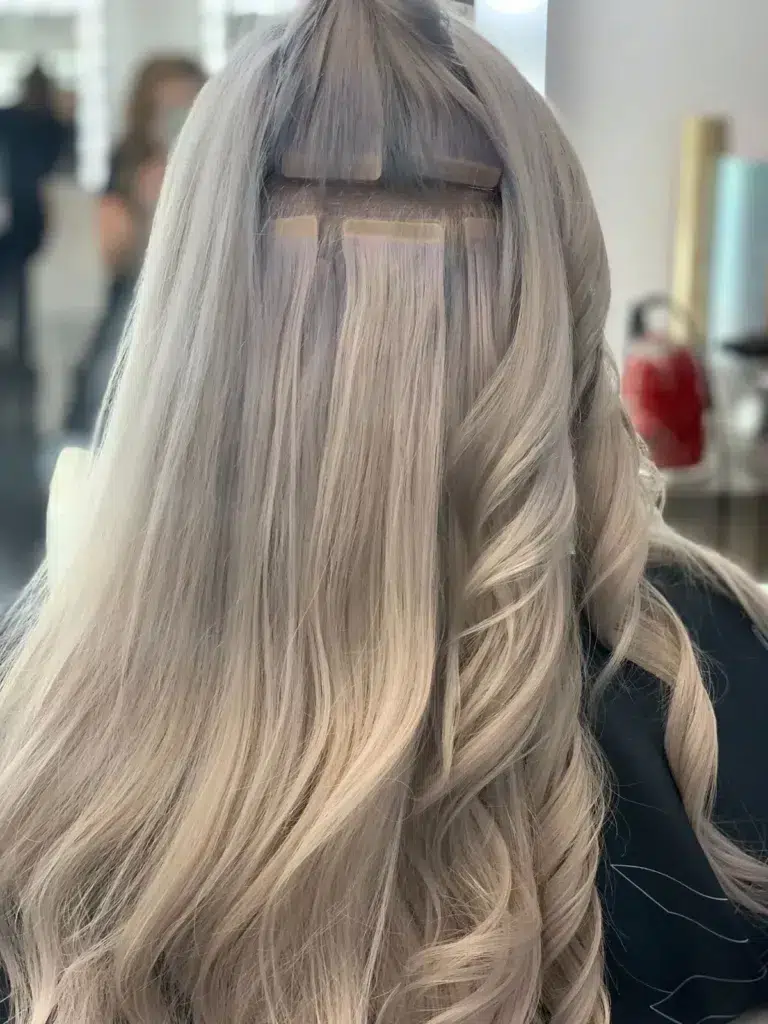
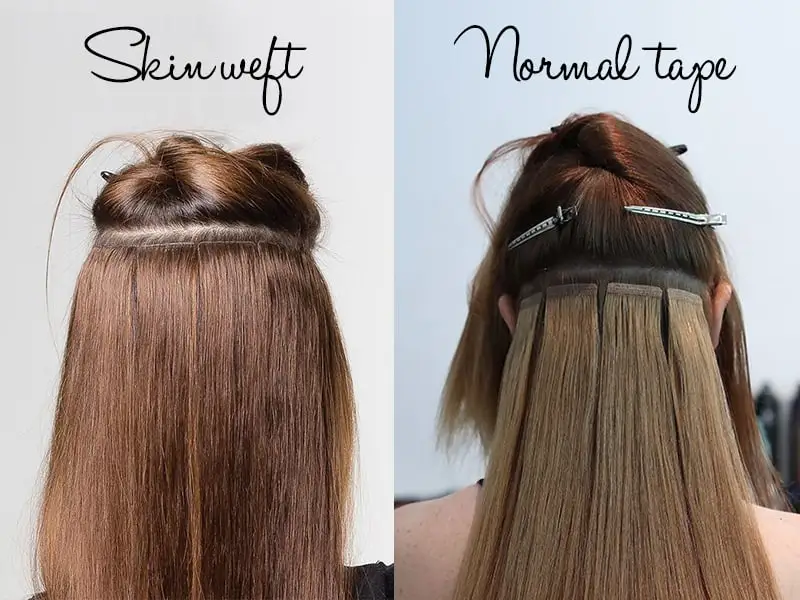
Tape-ins are flat. That is why they work well for daily wear. Tape-ins are also wide compared to many other methods. That width can become visible when hair is pulled up. The main idea is simple. Any upstyle that exposes the attachment area can show the tape tab edge. So the styling plan must respect where the tapes sit.
Placement decides most of the result. If tapes sit too high, a ponytail can pull the hair and reveal the tab. If tapes sit too close to the perimeter, side ponytails and half-up styles can show the corners. If tapes sit too low, the nape can reveal tabs when the head tilts down. A balanced “middle safe zone” layout gives the best upstyle options.
Grow-out also matters. Fresh tape-ins often look the most hidden because the tabs sit close to the scalp and the hair above lies smooth. After a few weeks, the tapes move down with natural hair growth. This creates a small gap near the roots. That gap can make tabs easier to feel and easier to show in tight styles. Many clients can still do ponytails during grow-out, but the ponytail needs to be lower and looser.
Another factor is tension direction. A high ponytail pulls hair upward. That lift can separate the cover hair from the tape row. A low ponytail pulls hair back with less lift. That is why low styles are the safest. A loose bun can be even safer because it adds texture and reduces the chance that a clean parting exposes tabs.
A simple salon check helps. The stylist can make the ponytail and then ask the client to tilt her head down and turn side to side. The stylist can also check under bright overhead light because it shows edges and corners.
| Upstyle type | Risk level | Why | Best use case |
|---|---|---|---|
| Low ponytail | Low | Less lift, less exposure | Daily wear and active days |
| Mid ponytail | Medium | Moderate lift at tape rows | Clients with good placement and density |
| High ponytail | High | Strong lift and base tension | Only when layout supports it |
| Low bun | Low | Texture and low tension | Events and professional looks |
| Sleek high bun | High | Exposes perimeter and crown | Only for experienced stylists |
If the goal is a confident client, the safest message is also simple. Tape-ins allow upstyles, but the style choice should match the tape layout and grow-out stage.
How to put your hair up with tape in extensions?
A client wants an updo that looks clean, not “careful.” A stylist wants a repeatable method that does not risk tape lift or visible tabs.
Hair can go up with tape-ins by choosing a low-tension style, building a ponytail base that sits between tape rows, and using small cover sections to hide any corners. Light texture and strategic wrapping can hide edges without stressing the adhesive.
Dive deeper
Start by choosing the right upstyle. A low ponytail is the most practical option for most clients. It works in the gym. It works for work. It is also easier to hide because it sits below many tape rows. A low bun is also safe because it reduces tension at the root.
Before styling, check the roots. If the client has product buildup, tapes can feel sticky or heavy. That can cause odd separation when hair is pulled up. Clean roots and light products help. The stylist can use a light smoothing product on the surface hair, but the stylist should avoid oils near the tape area because oil can weaken adhesive.
Now build the ponytail in sections. Many stylists get better results by leaving a thin “cover veil” of hair out at the top. Then the stylist gathers the rest into a ponytail. After the elastic is in place, the stylist lays the cover veil over the top and smooths it. This veil hides tape corners and also hides any uneven tension.
Next, place the elastic in a safe spot. The elastic should not sit directly on a tape row. If it sits on a row, it can press and pull on the tabs. A better spot is between rows. The client will usually feel the difference. The ponytail base will feel smoother and the tape area will feel less stressed.
Then use a wrap section. Take a small section of hair from the ponytail and wrap it around the elastic. Pin it under. This makes the base look finished and it also covers small signs of attachment.
For clients who want higher styles, use texture. A textured ponytail or a soft messy bun hides more than a sleek style. Sleek looks expose everything. Texture hides corners.
Use this salon routine to decide style choice fast:
| Step | What to do | What it prevents |
|---|---|---|
| 1 | Choose low or mid style first | Tape corners showing |
| 2 | Leave a top cover veil | Perimeter exposure |
| 3 | Place elastic between tape rows | Tape stress and lift |
| 4 | Wrap hair around elastic | Visible base and tabs |
| 5 | Check movement and light | Surprise visibility in photos |
A personal story can sit here later. It can describe a client who wanted a high ponytail for photos. It can describe how a mid ponytail and wrap technique solved the visibility problem without stressing the tapes.
Do and don’ts for tape in extensions?
Tape-ins feel simple, but small mistakes can create big problems. Upstyles make those mistakes show faster.
Tape-in success depends on keeping oils away from adhesive, controlling heat near tabs, brushing with the right direction, and avoiding tight tension on tape rows. Upstyles should match the install layout and the grow-out stage.
Dive deeper
The do list starts with clean habits. Tape adhesive works best when the attachment area stays clean and dry. Heavy conditioners and oils near the root can weaken tapes. Many clients apply conditioner too high. That mistake causes early slipping and also makes tapes easier to see because the extension can shift.
The next do is heat control. Heat tools can be used, but high heat near tape tabs can soften adhesive and make the tab bend. Bent tabs can show in ponytails and can feel sharp. A safe habit is keeping irons and blow dryer nozzles away from the tape area. The stylist can focus heat on mid-length and ends.
Brushing is also key. Clients often brush from scalp down with force. That can pull on tapes. A better method is to support the root with one hand and brush gently from mid-length down first. Then brush closer to the root. This reduces stress on tapes and keeps placement neat for upstyles.
Now the don’ts. Do not do tight, high ponytails every day. Daily high tension can weaken the bond and can also cause traction stress. Do not backcomb directly on top of tape tabs. Teasing can expose corners and also make removal harder. Do not use alcohol-based sprays directly at the tape line because they can dry and weaken adhesives.
Do not forget the move-up schedule. Most tape-ins need maintenance around 6–8 weeks depending on growth and care. When grow-out is long, upstyles can expose tabs more often. Many “tape showing” complaints come from delayed move-ups, not from bad tape quality.
| Habit | Do or don’t | Why it matters |
|---|---|---|
| Conditioner near roots | Don’t | Weakens adhesive and increases slipping |
| Light product on surface hair | Do | Helps smooth without attacking tape |
| High heat near tabs | Don’t | Softens adhesive and bends tabs |
| Support roots while brushing | Do | Reduces stress and keeps tapes flat |
| Tight high ponytail daily | Don’t | Adds tension and increases visibility |
| Regular move-up schedule | Do | Controls grow-out and reduces tab exposure |
These rules protect both look and wear time. They also reduce complaints for salons and brands.

Why do tape in extensions show in ponytails?
A client makes a ponytail and sees a tape corner. The client thinks the install is wrong. Sometimes it is not wrong. The layout just does not match that style.
Tape-ins show in ponytails when tapes sit too high, sit too close to the perimeter, have too much grow-out, or when the ponytail is too tight and lifts cover hair away from the tape row.
Dive deeper
Ponytails pull hair in a new direction. That pull changes how cover hair lays. Cover hair is the hair that hides the tape tab. If that cover hair gets pulled upward or outward, the tape row can appear.
The first cause is placement. If a tape row sits near the crown, a ponytail will pull hair up and reveal the row. If the row sits too close to the side perimeter, side ponytails and half-up looks will show the corner. A good tape layout keeps tabs inside safe zones and leaves enough natural hair above and around each row.
The second cause is grow-out. As the client’s hair grows, the tape row moves down. The root area above the tab becomes looser. This makes it easier for the ponytail to pull that hair away. That is why clients often say, “It used to hide, but now it shows.” That is a timing signal. The move-up is approaching.
The third cause is tension. Tight ponytails create clean lines, but clean lines reveal attachments. A looser ponytail with a bit of texture hides better. The fourth cause is density. Fine hair has less cover. Even a perfect layout can show more on fine hair. That is why fine hair clients often do best with low and mid styles, not high sleek looks.
A salon can diagnose fast with a simple check. If the tape shows only in high ponytails, the layout is likely fine but style choice needs adjustment. If the tape shows even when hair is down, the placement may be too high or too close to perimeter.
| Symptom | Likely cause | Practical fix |
|---|---|---|
| Tabs show only in high ponytail | Style tension and lift | Use mid or low ponytail, add wrap and texture |
| Tabs show near sides | Perimeter row too close | Avoid side ponytails, adjust layout at move-up |
| Tabs show more after weeks | Grow-out distance | Schedule move-up, choose looser upstyles |
| Tabs show under bright light | Thin cover hair | Use a cover veil section and lower tension |
This is why the best approach is matching hairstyle choice to install layout.
Best upstyles that work with tape-ins
Clients want options. Salons want reliable styles that look good and do not stress the tapes.
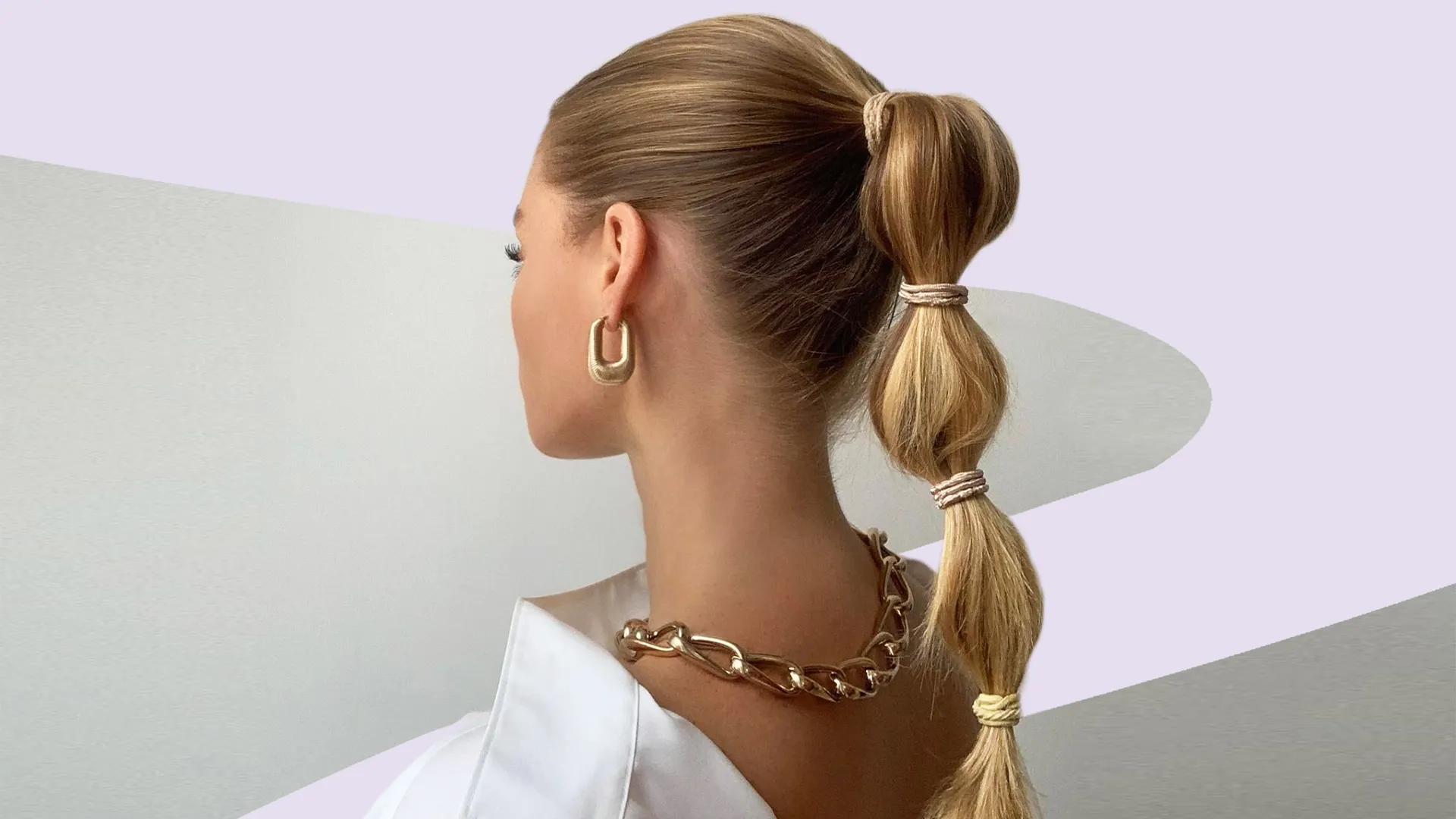
The best upstyles for tape-ins are low ponytails, low buns, half-up styles placed above tape rows, and textured mid ponytails. These styles hide tabs because they reduce lift and use cover hair to protect edges.
Dive deeper
The safest upstyles share the same features. They keep tension low. They avoid pulling hair straight up from the crown. They also avoid exposing the side perimeter where tape corners can show.
A low ponytail is the first choice. It works for daily life and it hides most tape layouts. A low bun is also strong. The bun shape covers the base. It also adds texture, and texture hides attachment points. A half-up style can work when the stylist places the gathering point above the tape rows and leaves enough hair around the sides to cover corners.
Textured mid ponytails can work well too. Texture breaks up the surface and makes the style look natural. Sleek, tight styles show more because they create a smooth surface with sharp lines. If a client wants sleek, the stylist needs a layout that supports it, plus careful cover sections.
Here is a style menu that many salons use:
| Style | Why it works | Who it fits best |
|---|---|---|
| Low ponytail | Low tension and low lift | Most clients and most layouts |
| Low bun | Covers base and adds texture | Events, office looks, fine hair |
| Half-up with cover veil | Keeps tabs under top hair | Medium density, good placement |
| Textured mid ponytail | Texture hides seams | Clients who want height without sleekness |
| Braided low ponytail | Braids hide and stabilize | Active clients and long wear days |
A personal story can sit here later. It can describe a client who wanted a sleek high bun for a wedding. The story can show how switching to a textured bun kept tabs hidden and also kept the install safe.

How to make tape-ins comfortable in updos?
A ponytail can look good but feel uncomfortable if it pulls on tape rows. Comfort matters because discomfort causes clients to adjust and touch the base, which increases exposure.
Tape-ins feel comfortable in updos when weight is balanced, tension is lower, and the elastic sits between tape rows. A cover veil and a wrap section reduce pressure on the attachment area.
Dive deeper
Comfort is part of quality. A client will not keep a style if it hurts. Tape-ins can feel uncomfortable in ponytails when the ponytail base pulls directly on a tape row. That pull creates pressure at the scalp and can also bend tabs. A bent tab can show more and can feel sharp.
The first comfort rule is elastic placement. The elastic should sit where hair gathers naturally without pressing on tape tabs. If the stylist can position the elastic between tape rows, pressure drops. The ponytail also looks smoother. The second rule is tension control. A ponytail does not need to be extremely tight to look polished. A medium tension ponytail often looks softer and feels better.
The third rule is balance. If the client has many tapes on one side and fewer on the other, tension can feel uneven. That is why balanced tape layout matters at install time. The fourth rule is cover veil. Leaving a top veil and laying it over the base reduces the need to pull hair tight for coverage. Less pulling means more comfort.
For active clients, a low braided ponytail is often the most comfortable option. Braids distribute tension and reduce base movement. For office clients, a low bun with a smooth surface can look clean without high tension.
| Discomfort sign | Common cause | Fix |
|---|---|---|
| Tightness at base | Elastic sits on tape row | Move elastic between rows and lower tension |
| Tabs feel sharp | Tabs bend from tension | Switch to low style and reduce pull |
| Headache after hours | Ponytail too tight | Loosen base and use softer elastic |
| Client keeps adjusting | Pressure and insecurity | Use cover veil and wrap base cleanly |
Comfort improves the client experience and also protects the tape bond.
My opinion
Tape-ins can support upstyles, but the style must match the install layout and the grow-out stage. Many problems come from two things: high tension styles and delayed maintenance. A low ponytail and a low bun solve most daily needs. A high sleek ponytail is possible in some cases, but it needs planning and the right placement.
A salon can reduce complaints with one habit. The salon can teach clients a simple “safe styles list” at install time. That list sets expectations and also keeps wear time stable.
FAQ
Can you put your hair up with tape in extensions every day?
Yes, but low tension styles are safer for daily wear. Tight high ponytails every day can stress the adhesive and increase visibility.
What is the safest ponytail for tape-ins?
A low ponytail is the safest because it creates less lift at the crown and less exposure near tape rows.
Why do my tape-ins show more after a few weeks?
Grow-out creates distance from the scalp. This makes cover hair shift more when hair is pulled up. A move-up often fixes it.
Can you do a high ponytail with tape-ins?
Some clients can, but it depends on placement, density, and grow-out. A mid ponytail or textured ponytail is usually safer.
What products should be avoided near tape tabs?
Heavy oils and conditioners near the root can weaken adhesive. High heat near tabs can also cause issues.
Conclusion
Yes, hair can go up with tape-ins when placement is smart, tension is low, and the ponytail base avoids tape rows.